The problems with Big Tech AI data collection: privacy concerns and how to protect your data
AI privacy concerns are growing as Big Tech keeps collecting data. Learn the risks and how privacy-first AI solutions help protect your data.
Read More
Nextcloud is joining a list of renowned digital solutions, including Mozilla, Creative Commons, and PeerTube, with its recognition as a digital public good by the Digital Public Good Alliance (DPGA). This milestone highlights our commitment to open source and online privacy, and grants opportunities to spread the word on the importance of open standards for digital tools.
According to the UN Secretary General’s Roadmap for Digital Cooperation, digital public goods include open-source software, open standards, open data, open AI systems, and open content collections.
To qualify as a Digital Public Good, a project must meet the Digital Public Goods Standard: a set of specifications and guidelines designed to determine whether a digital solution genuinely serves the public interest.
In practice, this means digital public goods must follow best practices around privacy, security, and sustainability, avoid causing harm, and meaningfully contribute to the United Nations’ 2030 Sustainable Development Goals (SDGs).
With the slogan “Unlocking the potential of open-source technologies for a more equitable world”, the DPGA supports the attainment, discovery, development, use of, and investment in digital public goods. The multi-stakeholder initiative is endorsed by the UN Secretary-General and supports a wide range of organizations that want to advance digital public goods worldwide.
These goods have to meet a set of standards, as defined in the Digital Public Goods Standard: an open project open to contribution on GitHub, and developed in collaboration with organizations and experts. To be more specific, these are the nine requirements as set out by the DPGA to determine if software, data, AI systems, and/or content collections can be considered a DPG:
With its DPGA membership, which will be re-evaluated every year, Nextcloud has proven that it meets all nine indicators.
Nextcloud’s recognition as Digital Public Good is in line with other initiatives showing our dedication to values such as sustainability, an inclusive open source community, and digital sovereignty.
These projects support other continuous Nextcloud efforts to spread the word on digital sovereignty and open source through webinars, international events and tradeshows, case studies, product releases, and Nextcloud gatherings, both online and offline.
Our latest release of Nextcloud Hub 26 Winter is here! Discover the latest Nextcloud features.
AI privacy concerns are growing as Big Tech keeps collecting data. Learn the risks and how privacy-first AI solutions help protect your data.
Read More
Following the overwhelming success of last year’s Nextcloud Summit, Nextcloud is proud to launch its second edition of the Nextcloud Summit, taking place on 9 June in Munich, Germany. During this unique event, we want to address the wider market around digitally sovereign collaboration technology, providing a space for organizations, governments, and experts to connect, […]
Read More
Time to own your data is now. Introducing the new Nextcloud Hub, a powerful open source collaboration platform that puts you in control. Discover improvements in performance, design, and security, and lots of new and improved tools for your daily work and life.
Read More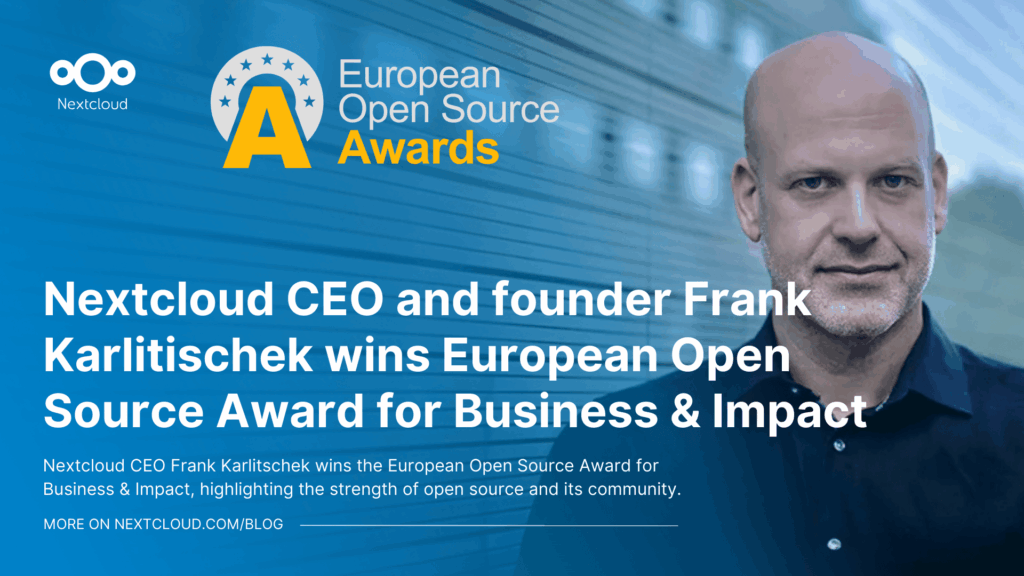
Nextcloud CEO Frank Karlitschek wins the European Open Source Award for Business & Impact, highlighting the strength of open source and its community.
Read More
Looking for a sovereign Microsoft Office alternative? Learn how Nextcloud puts you back in control of your data and online collaboration.
Read More
Nextcloud Hub 25 Autumn makes it easier to get started with powerful collaboration while fully in control of your data. From global design updates to improved usability and performance, discover our latest release in this blog.
Read More
Nextcloud has published its first Digital Sovereignty Index (DSI) to showcase the status of digital sovereign infrastructure.
Read More
Discover the Microsoft 365 alternative by Nextcloud and IONOS: the Nextcloud Workspace office suite, launching in the course of 2025.
Read More
Nextcloud becomes the first cloud software platform to earn the Blauer Engel ecolabel, proving that digitally sovereign and green IT is possible.
Read More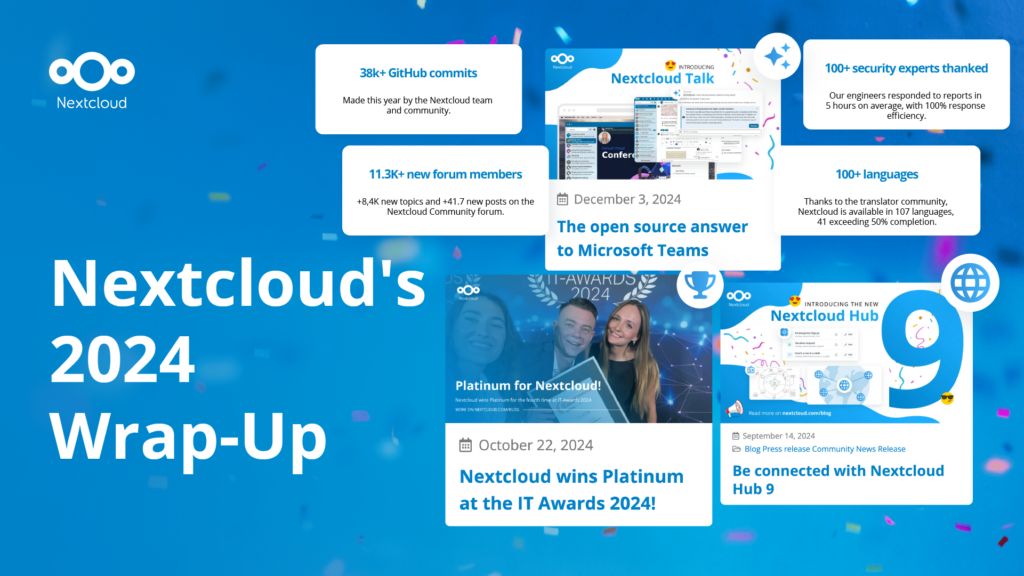
In the Nextcloud 2024 wrap-up, we want to take a moment to celebrate this year's achievements. Join us as we continue to reimagine what’s possible - shaping a world where open source, privacy and connection come together and drive progress for the greater good.
Read More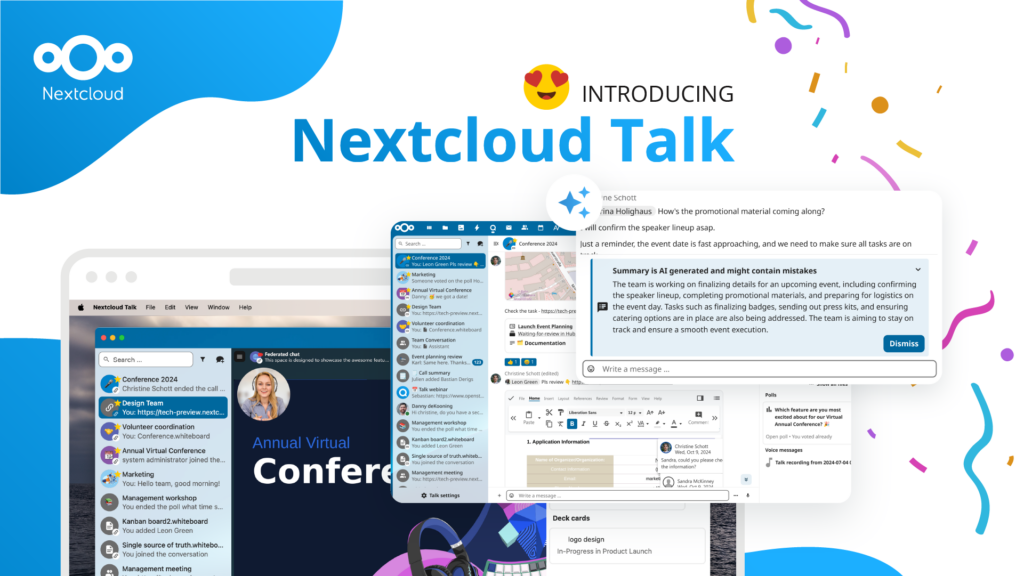
Organisations, small and large, need a way to ensure the resiliency and digital sovereignty of their operations – an open-source, privacy-respecting alternative to Teams. And today, we present that solution - Nextcloud Talk.
Read More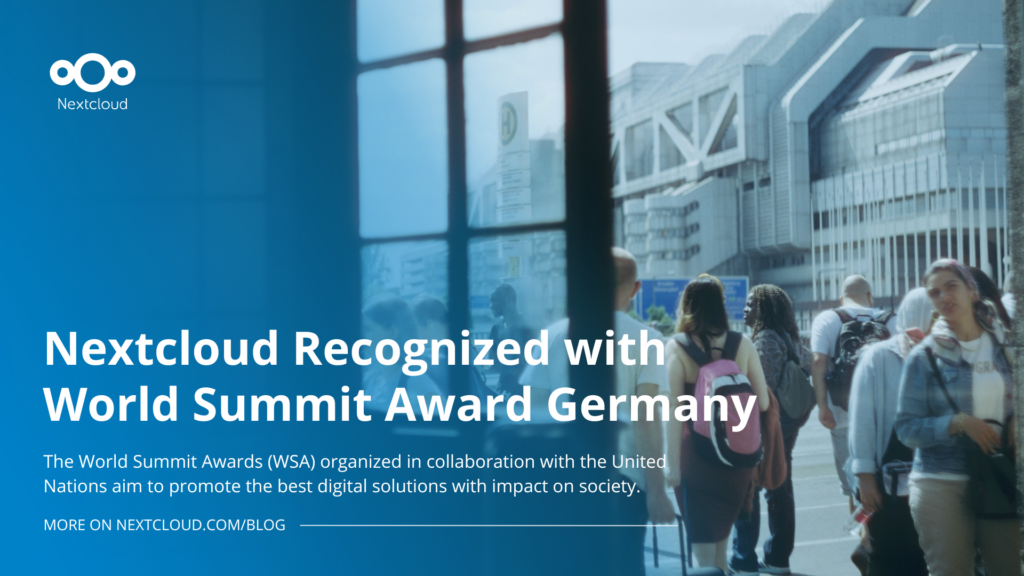
Nextcloud has been recognized with the World Summit Award Germany that selects and promotes local digital innovation improving society, aiming to contribute to the United Nations' agenda of sustainable development goals.
Read More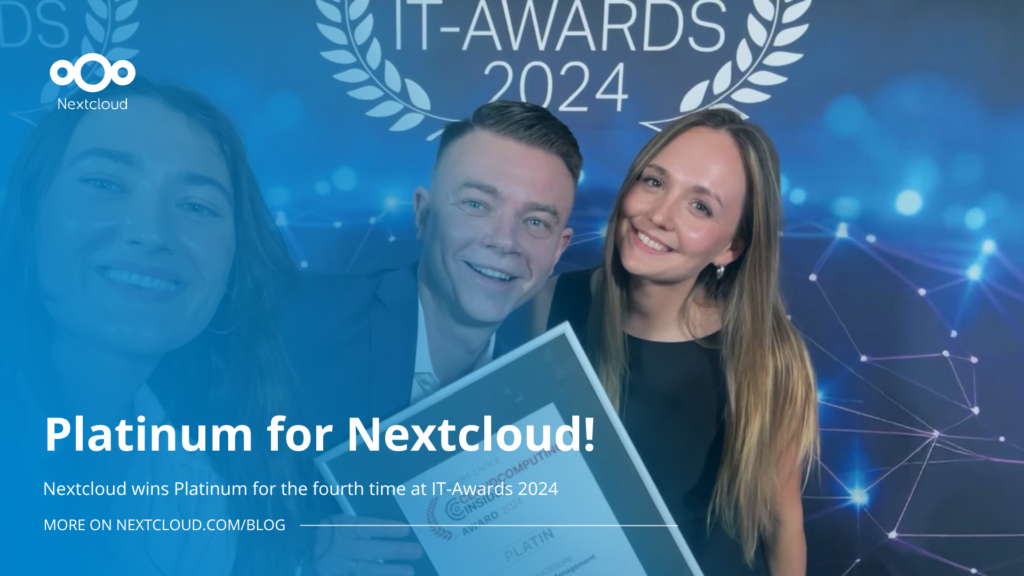
Nextcloud has been awarded Platinum at the IT Awards 2024. Today, we celebrate this win together!
Read More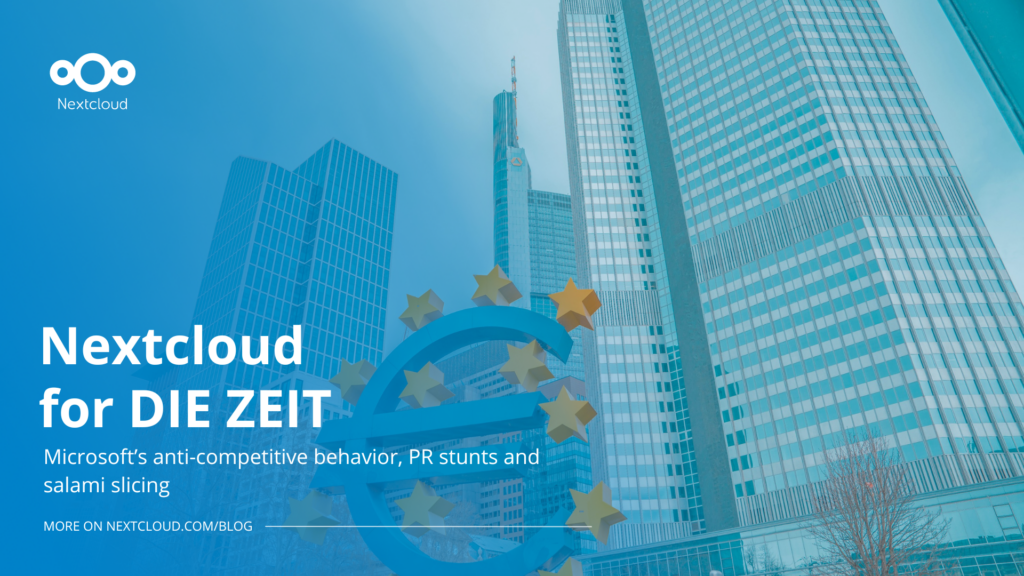
DIE ZEIT, a prominent German outlet, interviewed Nextcloud’s founder Frank Karlitschek for an article on Microsoft’s anti-competitive behaviour on the European office software market. Read for a recap of the article and the key takeaways.
Read More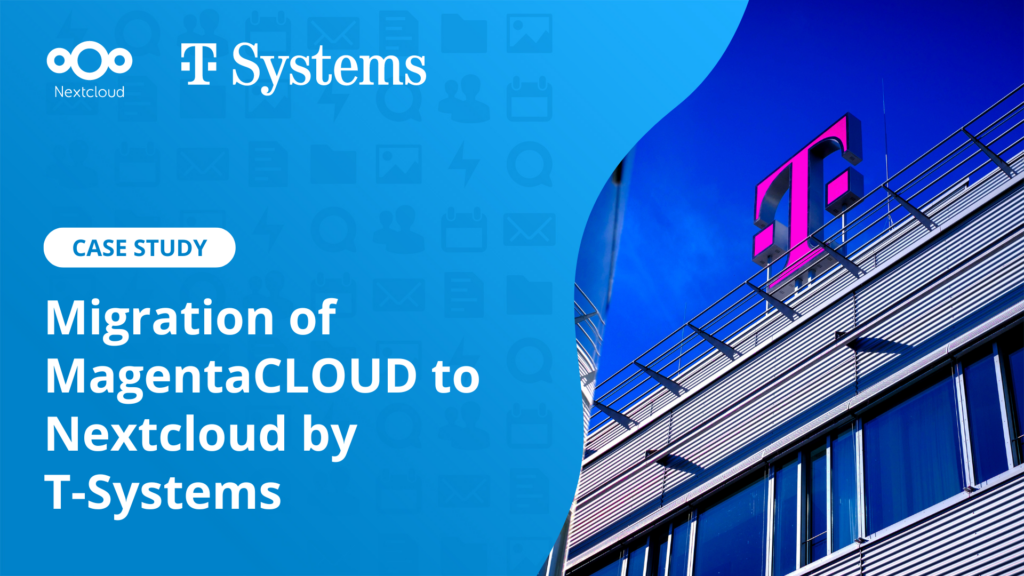
MagentaCLOUD’s migration to Nextcloud in 2021 resulted in a fully equipped Online Storage with an integrated online office suite that further improves the user experience, flexibility and security for customers.
Read More
We bring you a major update to the Nextcloud AI Assistant, plus the news we work with several big hosting providers like IONOS and OVHcloud to bring AI-as-a-Service options to you!
Read More
Bechtle and Nextcloud announce today a complete managed collaboration platform for the public sector that requires no tender and can be deployed immediately.
Read More
Discover how to make the switch from ownCloud to Nextcloud. Our quick guide provides insights into the migration process, helping you make the transition smoothly.
Read More
Today, US-based file sync & share vendor Kiteworks announced their acquisition of ownCloud and Dracoon. Kiteworks points out that their customers now have access to their file-sharing application. It is to be expected they will not maintain 3 similar products, but customers will have to migrate to the US firms’ platform or look for another […]
Read More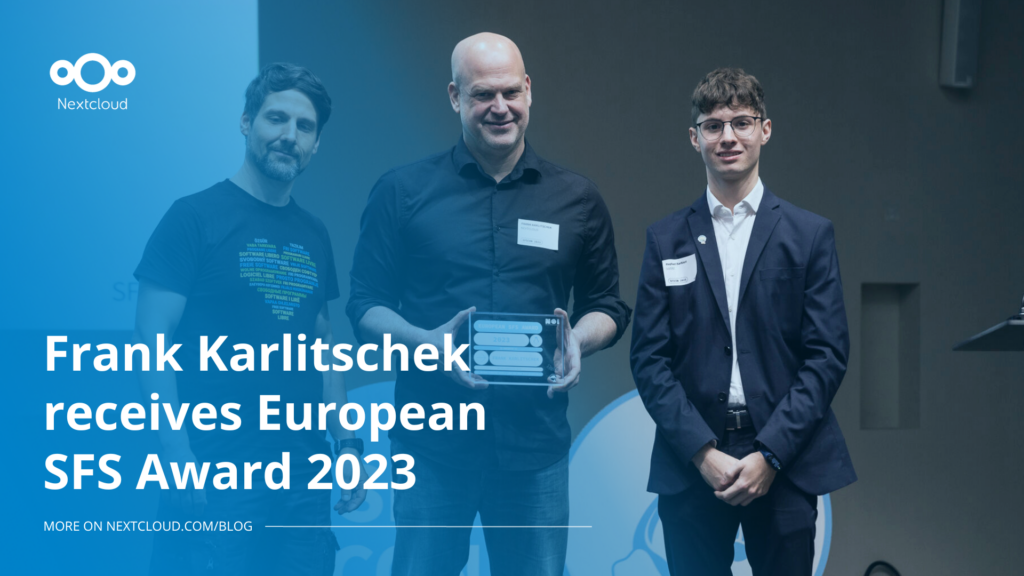
Nextcloud founder and CEO Frank Karlitschek earns the honorary SFS Award at the 20th annual SFSCON taking place in South Tyrol, Italy.
Read More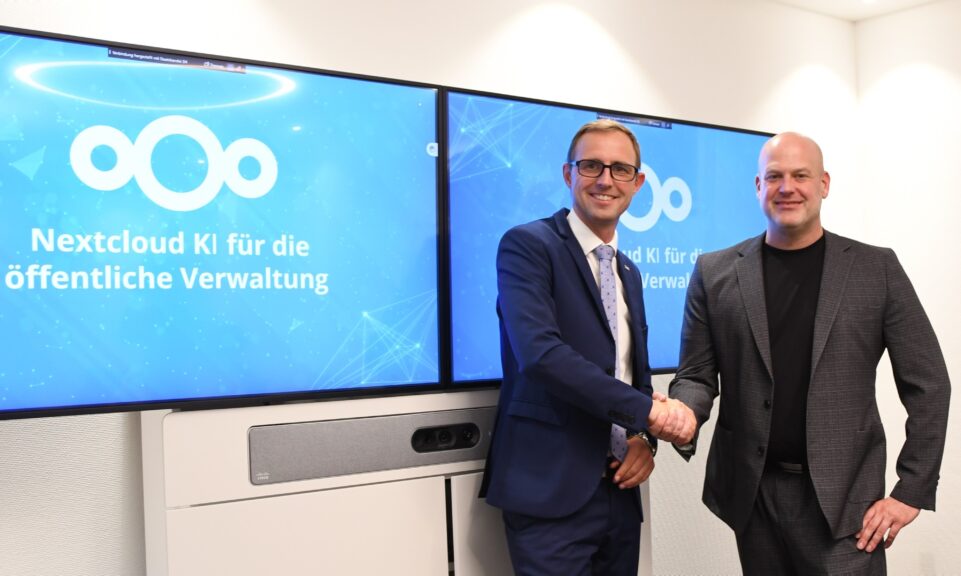
As part of Schleswig-Holstein's state digitization strategy, the state chancellery has announced they will work with Nextcloud to develop AI for working with government documents. This comes just after we announced the first private AI assistant last weekend with Hub 6. The German state already uses Nextcloud and their AI strategy aligns with our work on ethical, local AI technologies.
Read More
Since its mass adoption, AI has become, and still is, a popular and sometimes contraversial topic. Some of it is hype, some is substance. Some is good, some, of course, is bad. We want to give you the good, not the bad, and ignore the hype. In Nextcloud Hub we’ve focused on providing you the […]
Read More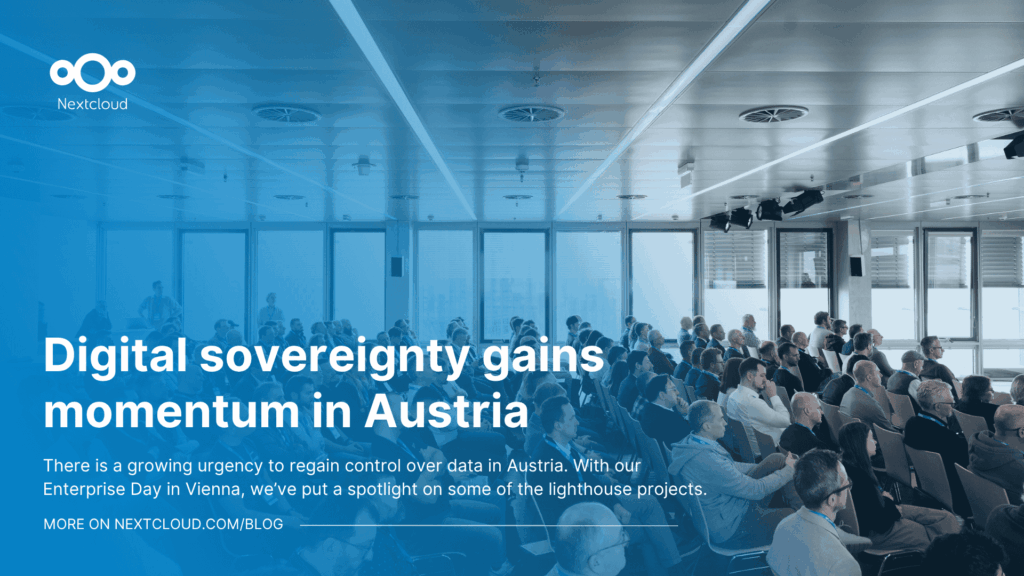
From government institutions to research organisations and private companies: There is a growing urgency to regain control over data, infrastructure and digital collaboration. Austria is actively shaping this movement with great lighthouse projects.
Read More
Keep Microsoft workflows while regaining data sovereignty. Learn how to integrate Microsoft tools with Nextcloud for on-prem collaboration.
Read More
Explore how millions of new users and rapid growth are driving adoption of open, secure collaboration platforms like Nextcloud.
Read More