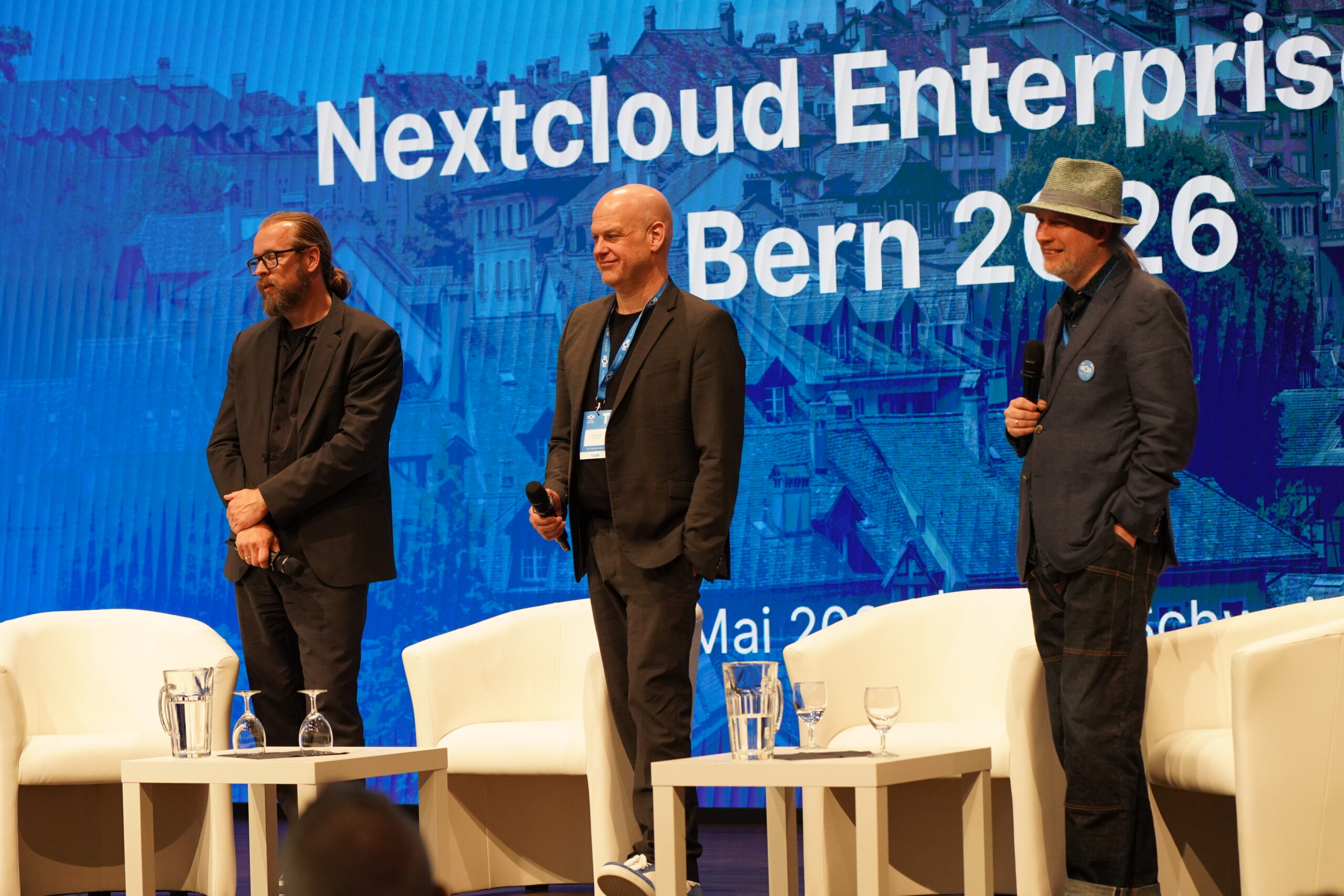
For decades, Switzerland built its identity around neutrality, stability and independence. But at Nextcloud Enterprise Day Bern 2026, one uncomfortable question kept coming up: How sovereign is a country whose digital infrastructure depends on overseas technology?
Cloud platforms, office suites, communication tools, AI systems and even parts of critical infrastructure increasingly depend on a handful of mostly American vendors. For years, that dependency was widely accepted as the logical trade-off for convenience, scale and speed.
But it’s 2026. Across Europe, governments worry about geopolitical dependencies, tariffs threaten economic stability. Public administrations rethink procurement decisions. Organizations increasingly ask what happens when critical infrastructure, data flows and digital communication depend on platforms outside their control. There are real questions about sovereignty in Switzerland.
Local developments
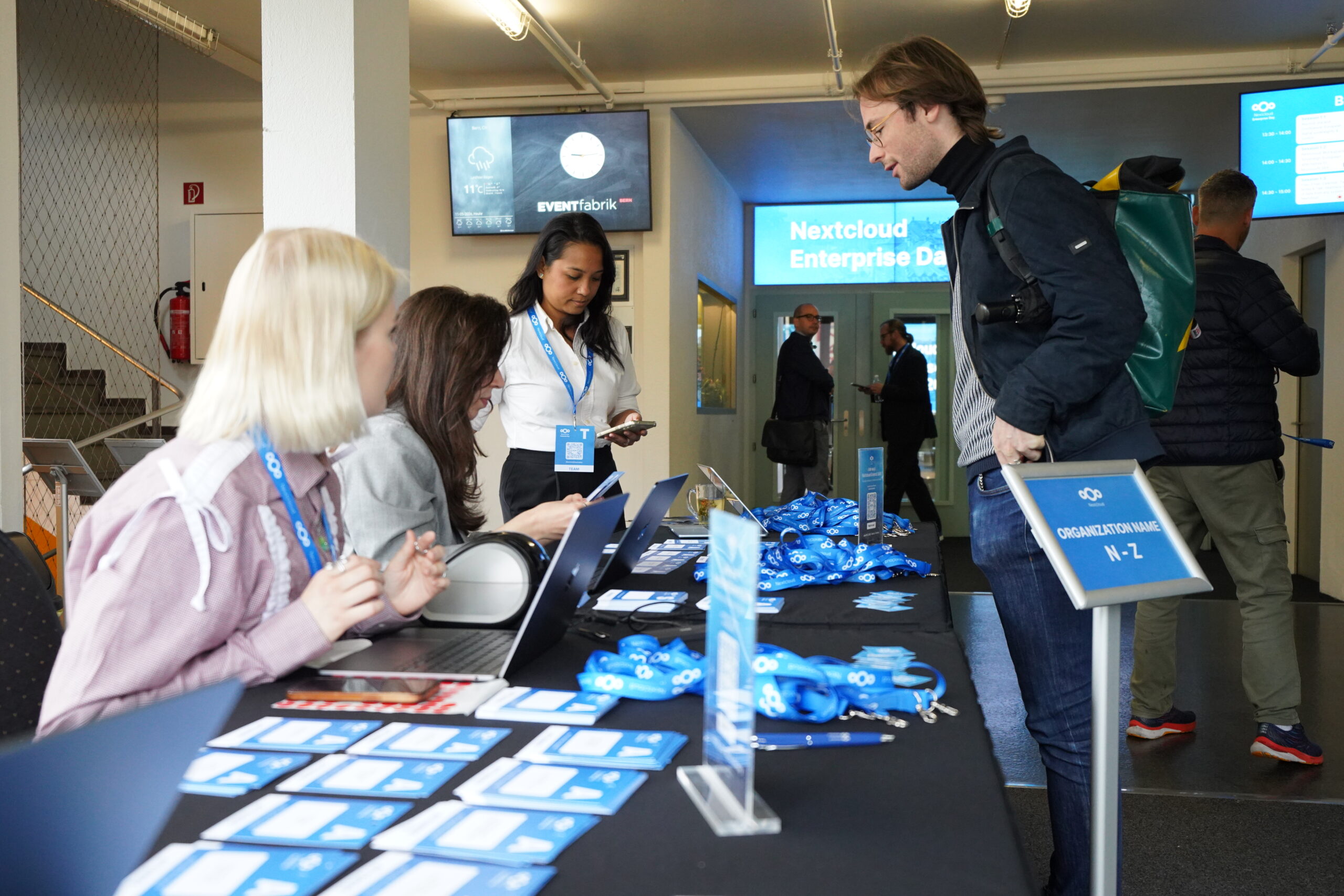
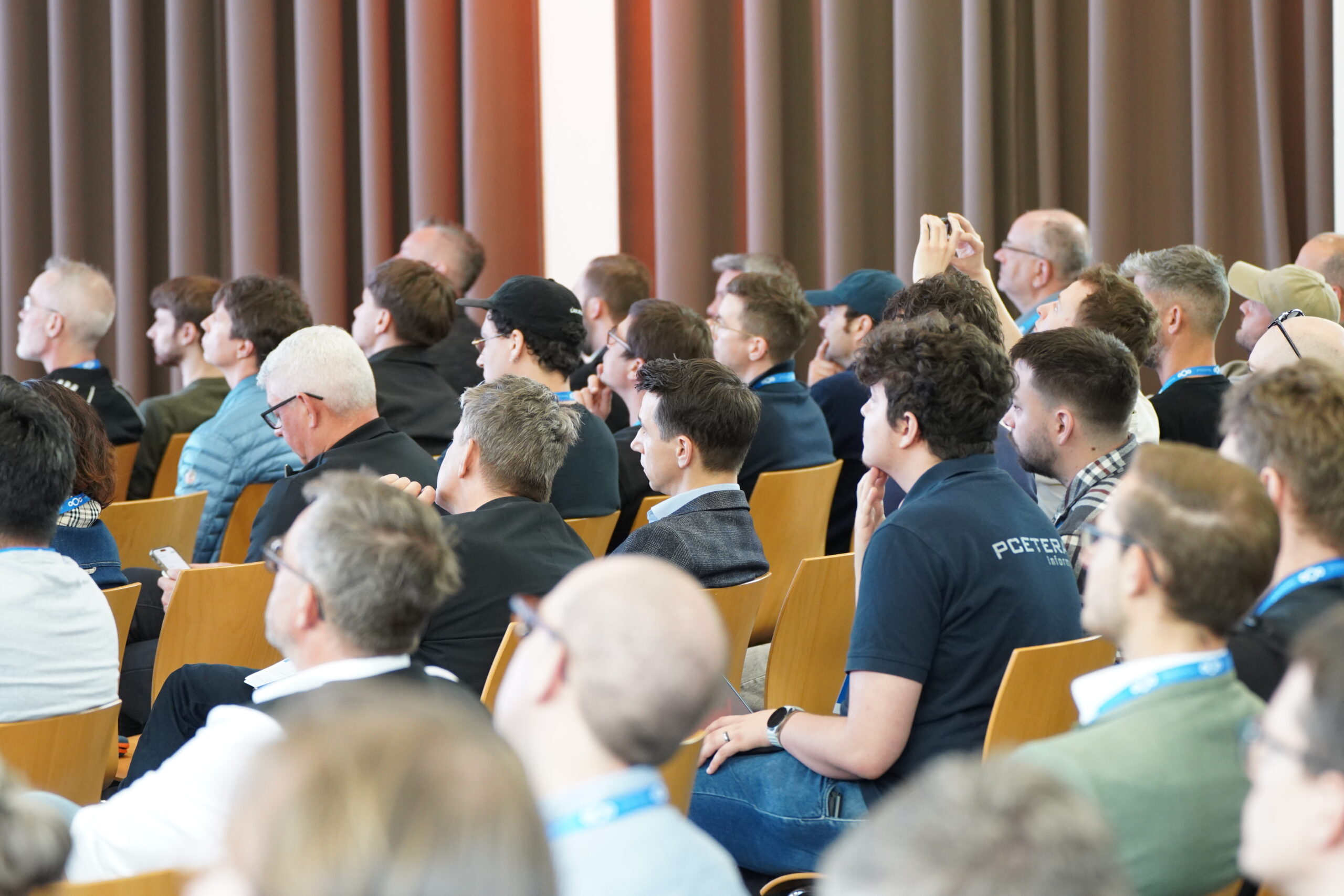
The growing Swiss customer base of Nextcloud constitutes of educational organizations, one of the Swiss ministries, several cities and villages as well as private organizations from the finance, medical and other sectors. There has been a significant increase in interest in digital sovereignty, reflected by the nearly 200 registrations for the enterprise event.
Nextcloud partners participated the event included ATOS Switzerland and QSentinel, as well as Swisscom. A new partner is SoftwareOne, a leading solution provider with a global reach. The growing list of local partners similarly reflects the growth in interest in the market, and allows Nextcloud to offer services relevant to local businesses and public sector organizations.
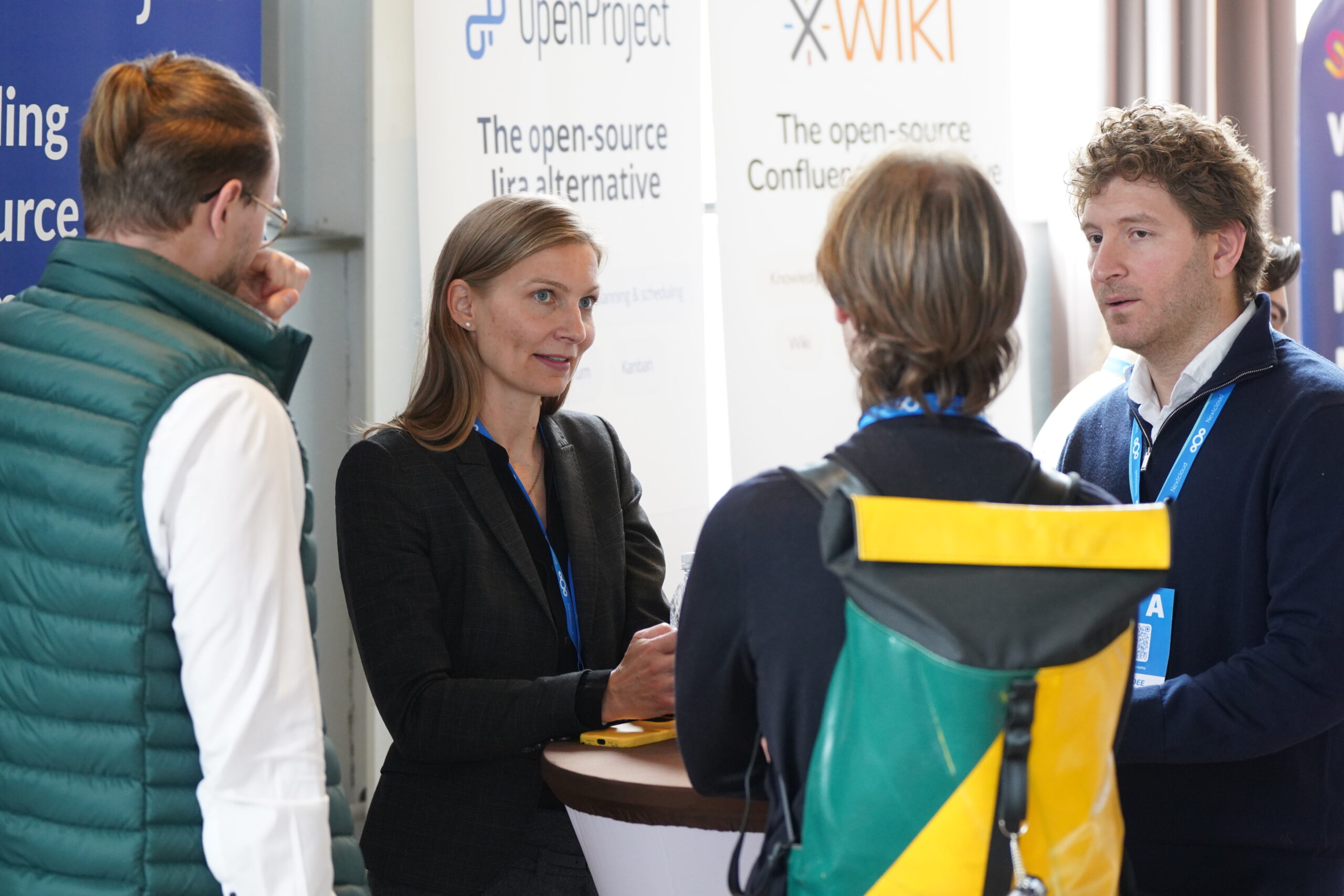
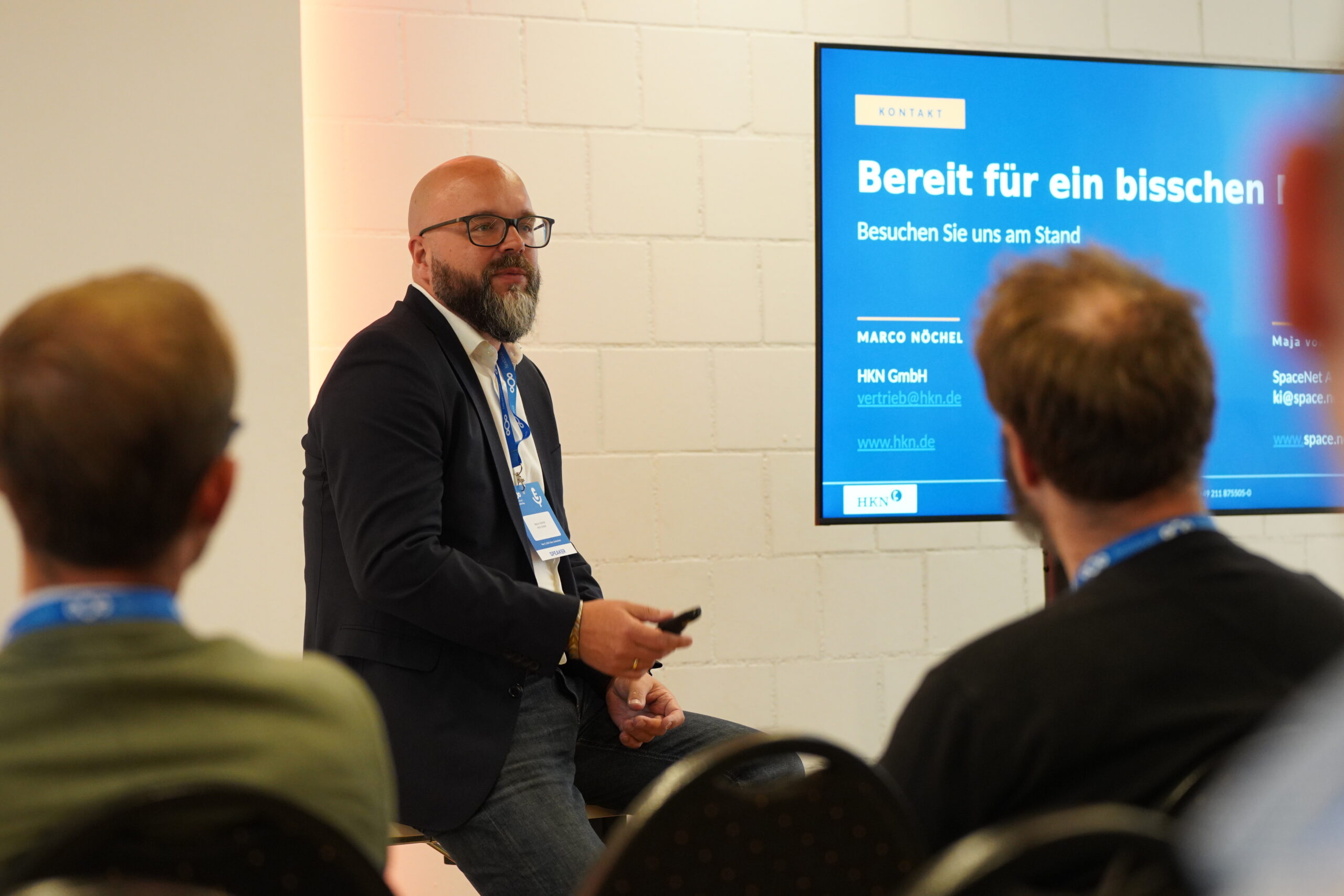
Other partners sponsoring the Nextcloud Enterprise day include Sendent, Collabora, HKN, IONOS, OpenProject and Audriga, reflecting the broad ecosystem around Nextcloud. A particular partner to highlight is CH-Open, the Swiss organization dedicated to support digital sovereignty in Switzerland and open technology across the country.
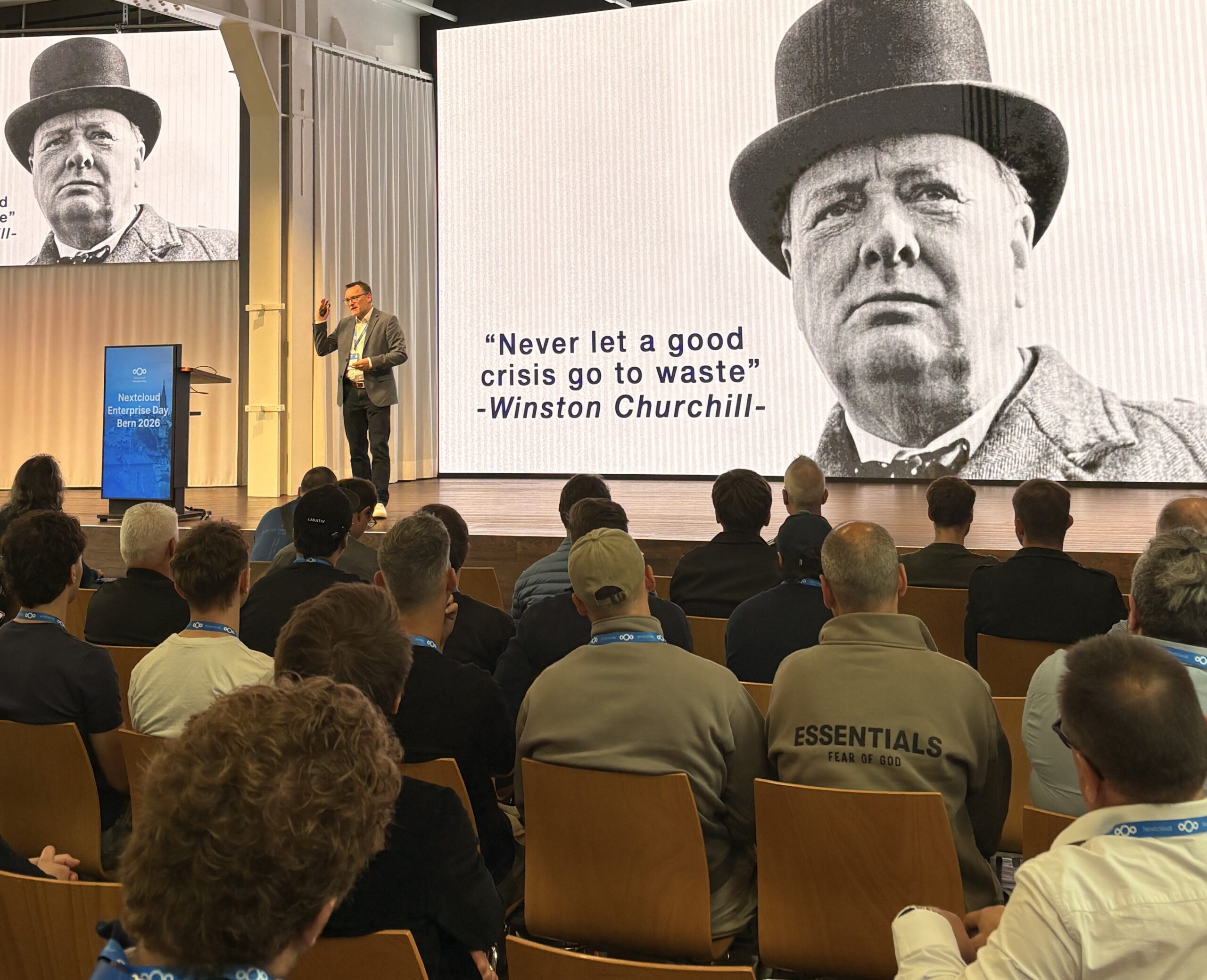
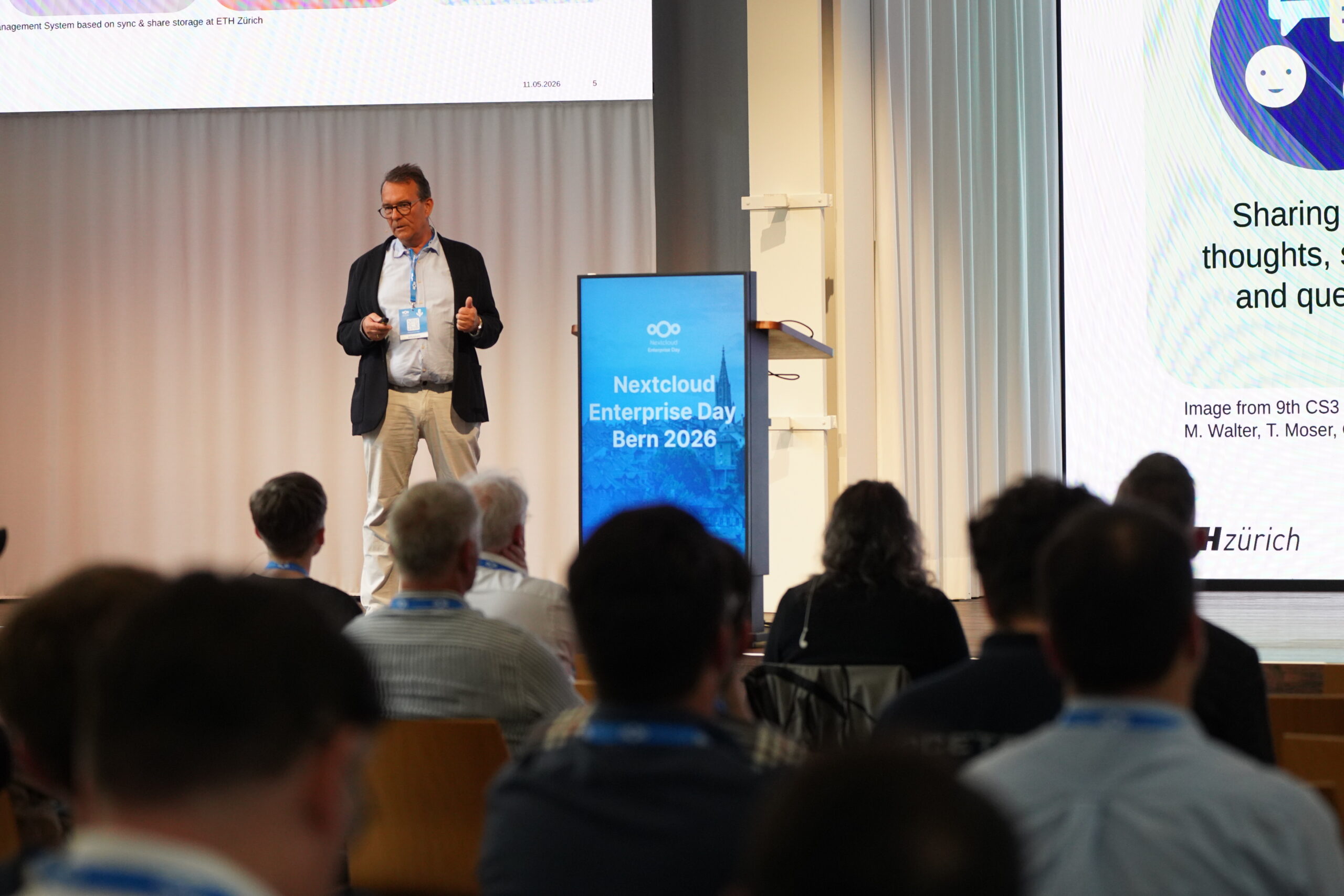
During the opening keynote by Frank, he highlighted these developments and the reasons behind it, covering the risks organizations face and the sovereign washing employed by big tech to try and maintain their dominant position in the market.
The status quo of sovereignty in Switzerland
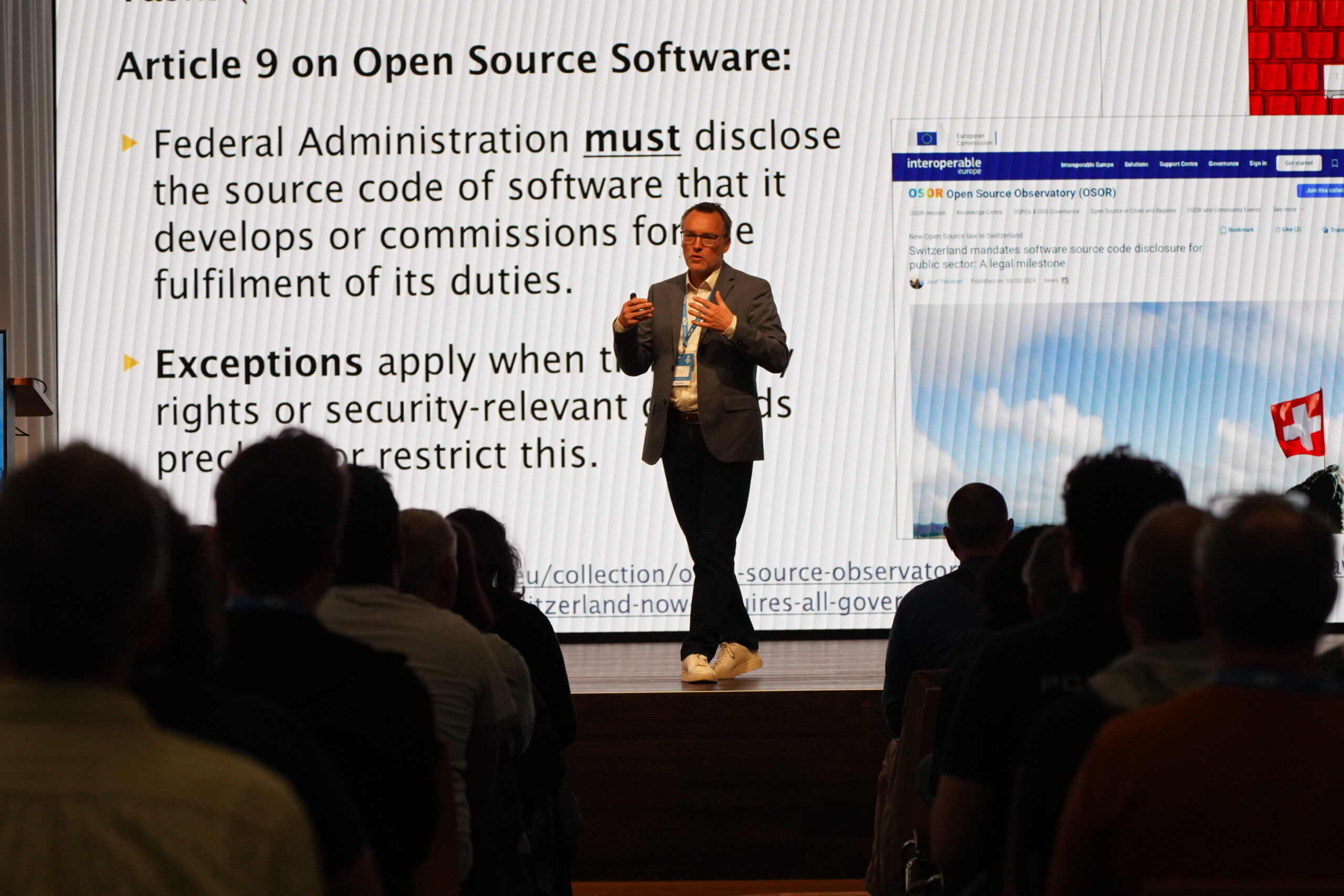
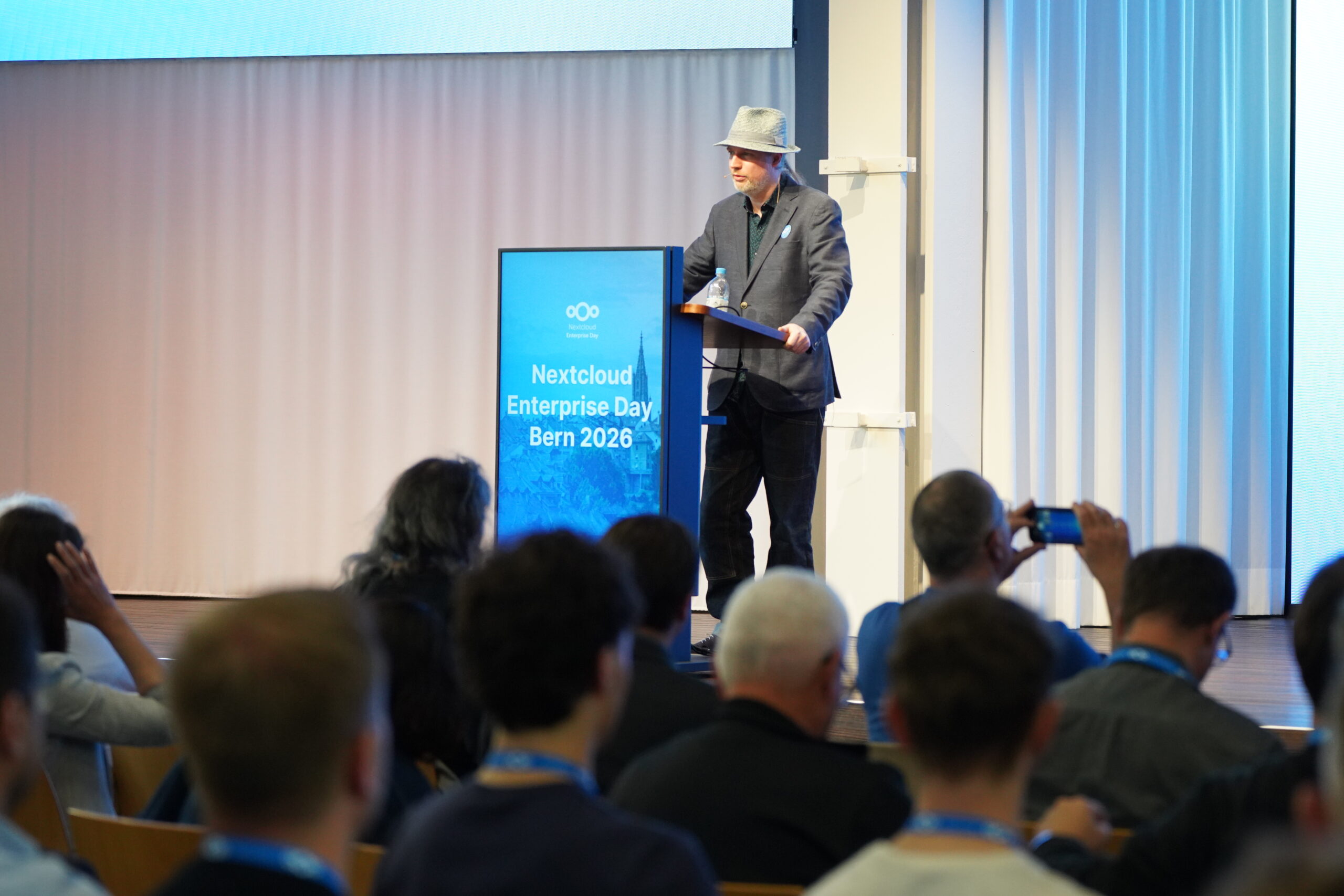
“On paper, we do our homework,” said Matthias Stürmer in his keynote on digital sovereignty from a Swiss perspective, referring to Switzerlands Open Source Law (EMBAG) and Article 9, which requires publicly funded software to be published as open source under certain conditions.
The professor at Bern University of Applied Sciences (BFH) and President of CH Open, argued that principles like “public money, public code” cannot remain symbolic political messaging if Europe is serious about reducing structural dependencies. His research is focusing on swiss tech dependencies for many years, long before “Digital sovereignty” became a term we can read in the news every day.
The technology is there, we just need to use it.
Several sessions showed that mature European alternatives are already operating at scale.
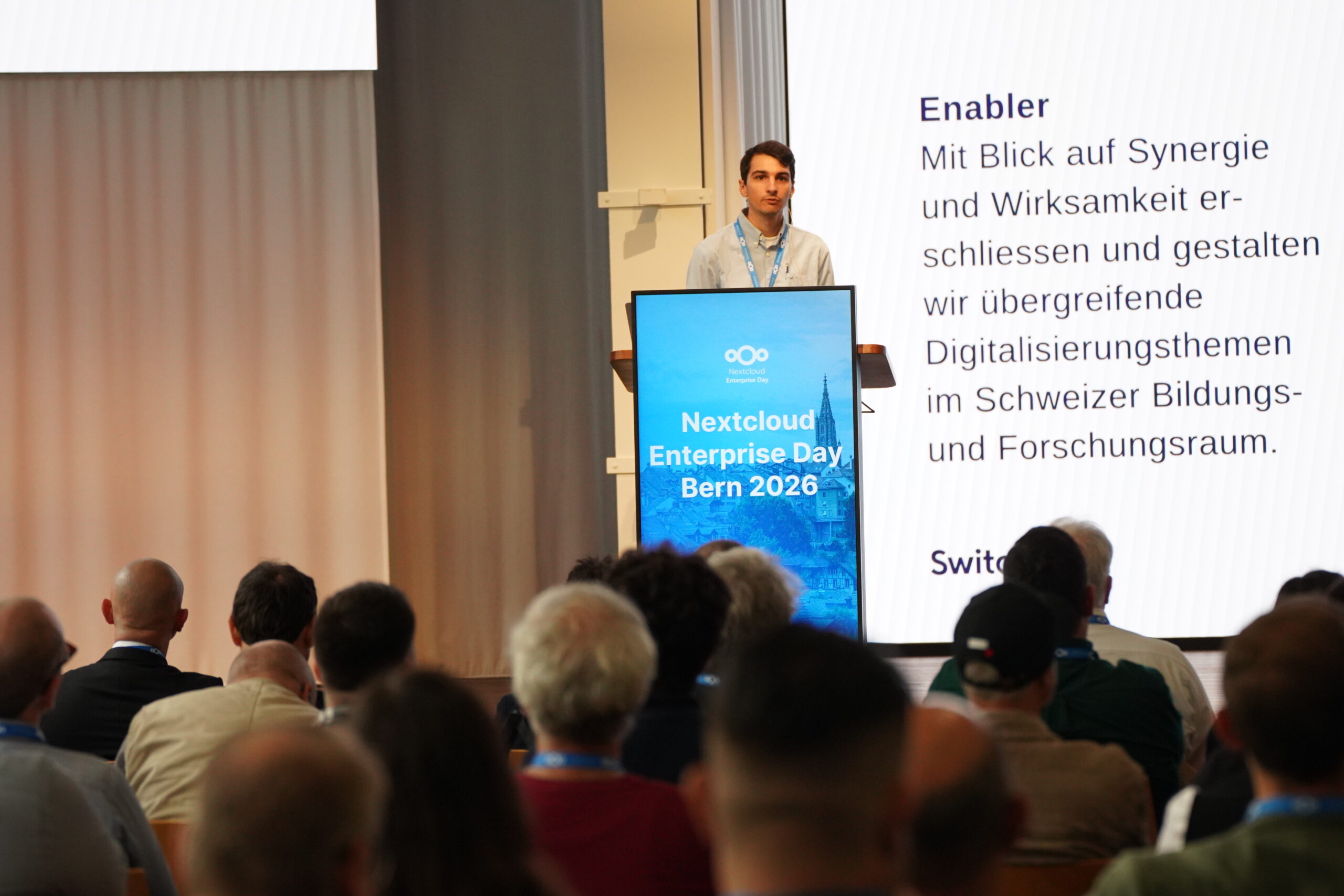
One example came from Switch, where Gianluca Caratsch presented the Switch Cloud – infrastructure built specifically for sovereignty in Switzerland’s education and research sector.
“Our prosperity depends on education, research and innovation. Control over critical knowledge, information and data is essential,” he said.
The Switch Cloud operates entirely from Swiss data centers and is designed specifically around the needs of universities and research institutions. Rather than outsourcing sensitive academic infrastructure to hyperscale ecosystems abroad, the platform focuses on local control, transparency and infrastructure operated within Switzerland itself.
The example illustrated a broader point that repeatedly surfaced throughout the day in Bern: The European sovereignty debate is no longer about whether alternatives exist. In many areas, they already do.
The ministry, which handles highly sensitive data from citizens, companies and public administration, faced a familiar dilemma after the phase-out of Skype for Business: move fully into Microsofts cloud ecosystem or reduce dependency while preserving existing workflows? A data protection impact assessment ultimately raised major concerns around compliance, sovereignty and cloud data handling.
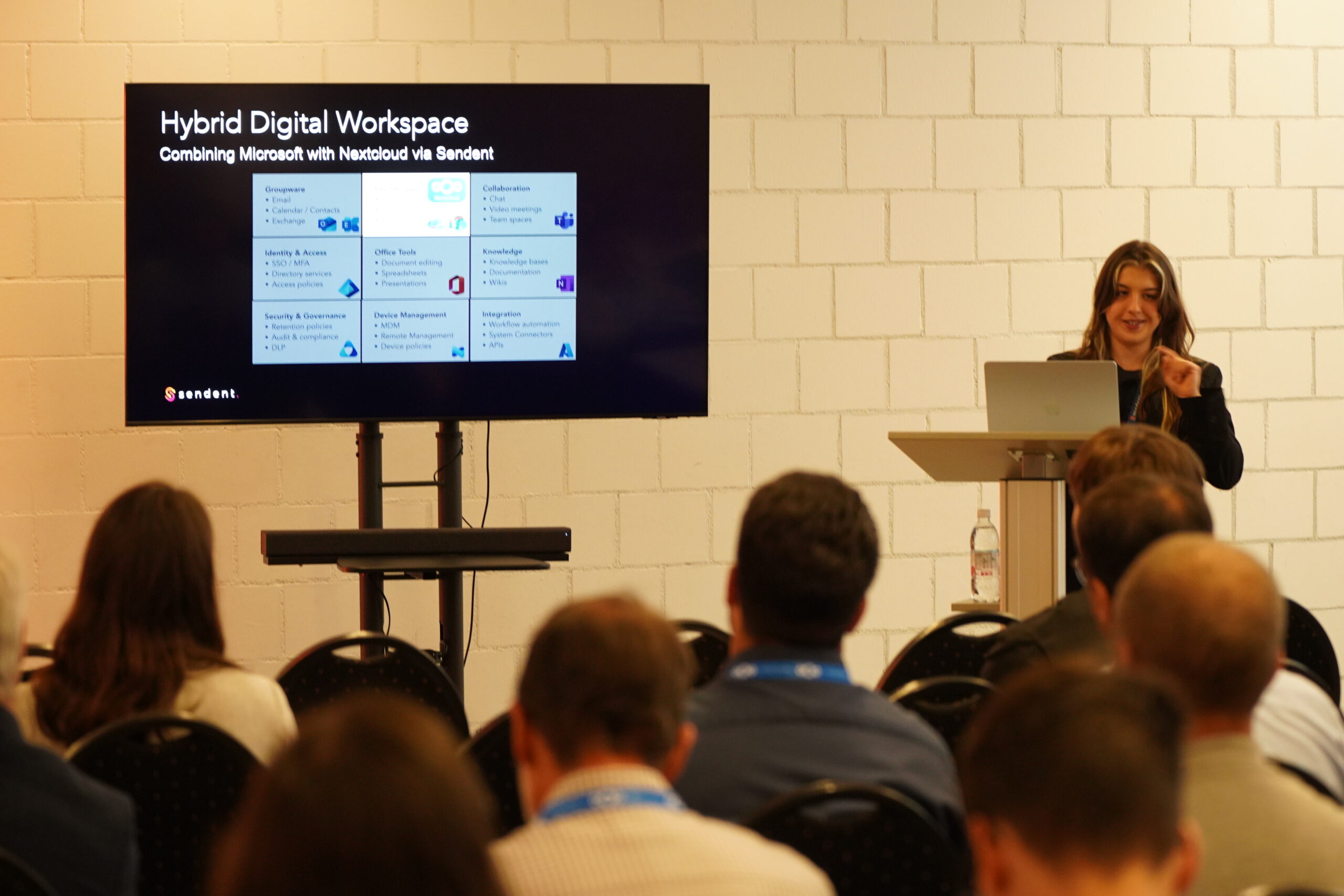
What made the Austrian example particularly relevant in Bern was the approach itself, challenging one of the most persistent assumptions around moving away from Big Tech ecosystems: that organizations must replace their entire infrastructure overnight or accept major operational disruption. the ministry implemented a gradual hybrid strategy. Nextcloud was introduced step by step for sovereign collaboration and secure data handling, while integrations from Dutch partner Sendent allowed employees to continue using familiar Microsoft-based workflows during the transition.
The rollout reached around 1200 employees in less than a year, from proof of concept to daily use, while avoiding major workflow disruption.
“Cloud down, tractor dead”
Perhaps the most memorable title of the day came from Alexander Steiner of Digitale Gesellschaft: “Cloud down – tractor dead”.
Steiner explored digital sovereignty through the lens of agriculture and food supply chains, asking a simple question: What happens when software systems in the food industry fail?
Modern agriculture increasingly depends on connected machinery, cloud infrastructure, digital logistics systems and software-controlled supply chains. Once these systems stop functioning, software problems quickly become infrastructure problems.
Dr. Tilo Steiger (ETH Zurich)
The session connected technological dependency directly to geopolitical leverage. International payment systems, cloud platforms and centralized digital services can become pressure points once entire sectors depend on them. He argued against the idea that Europe’s dependencies have already become irreversible.
“It will never be earlier than today,” Steiner said, pointing to the current geopolitical situation as a rare opportunity to reduce structural dependencies step by step rather than through disruptive overnight replacements.
He closed with a distinctly Swiss perspective on the discussion:
As Swiss people, this should encourage us. We are the people who do not like being told what to do by foreign powers. It is time to translate that story into the digital world.
That changing perception also shaped how open source was discussed throughout the day.
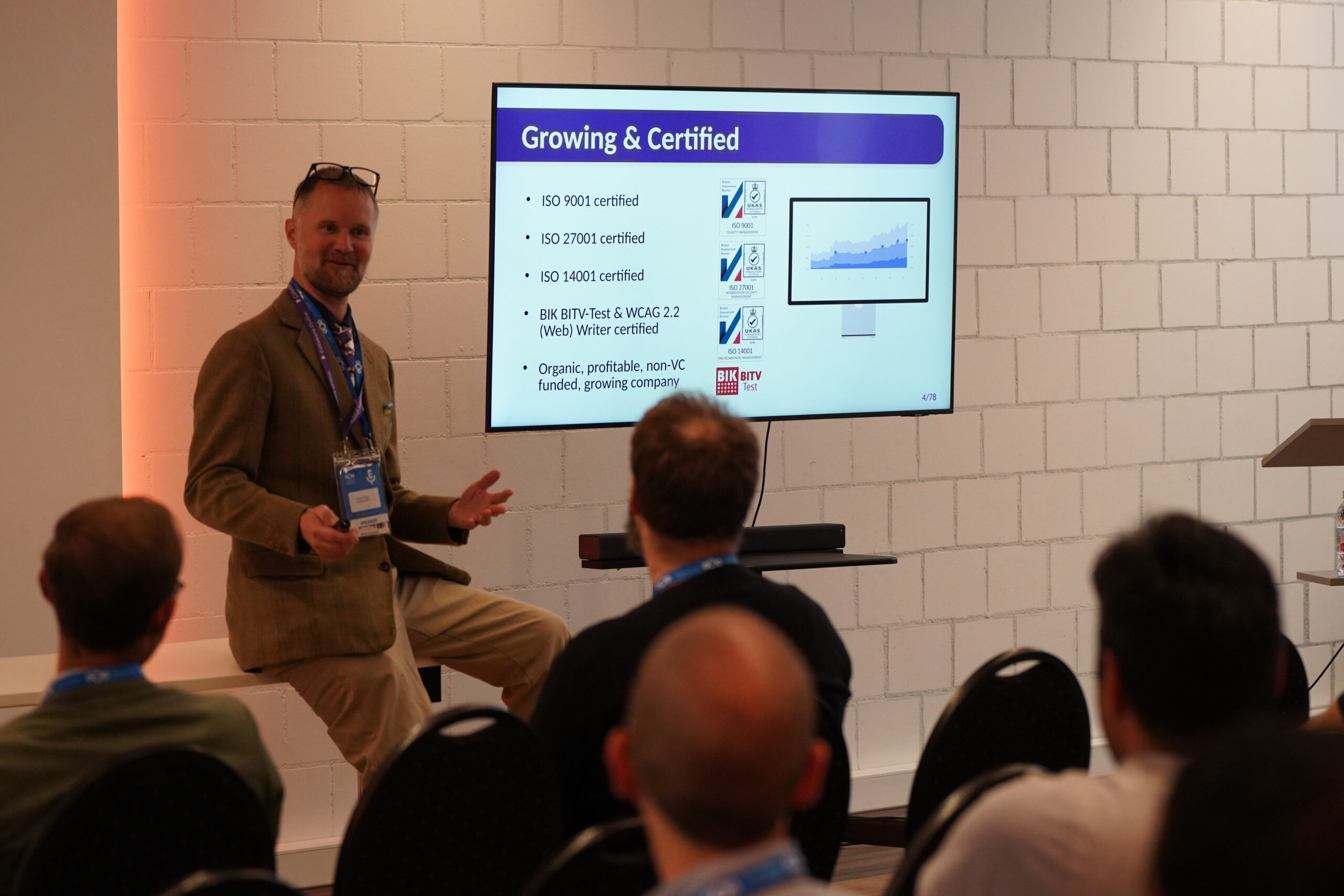
Presentations from organizations and partners including qSentinel, OpenProject, XWiki, IONOS, Sendent and Collabora showed how the ecosystem around sovereign digital infrastructure continues to mature across Europe.
The question is no longer whether sovereign alternatives exist. The question is whether Europe is willing to seriously invest in them and most of all: use them.
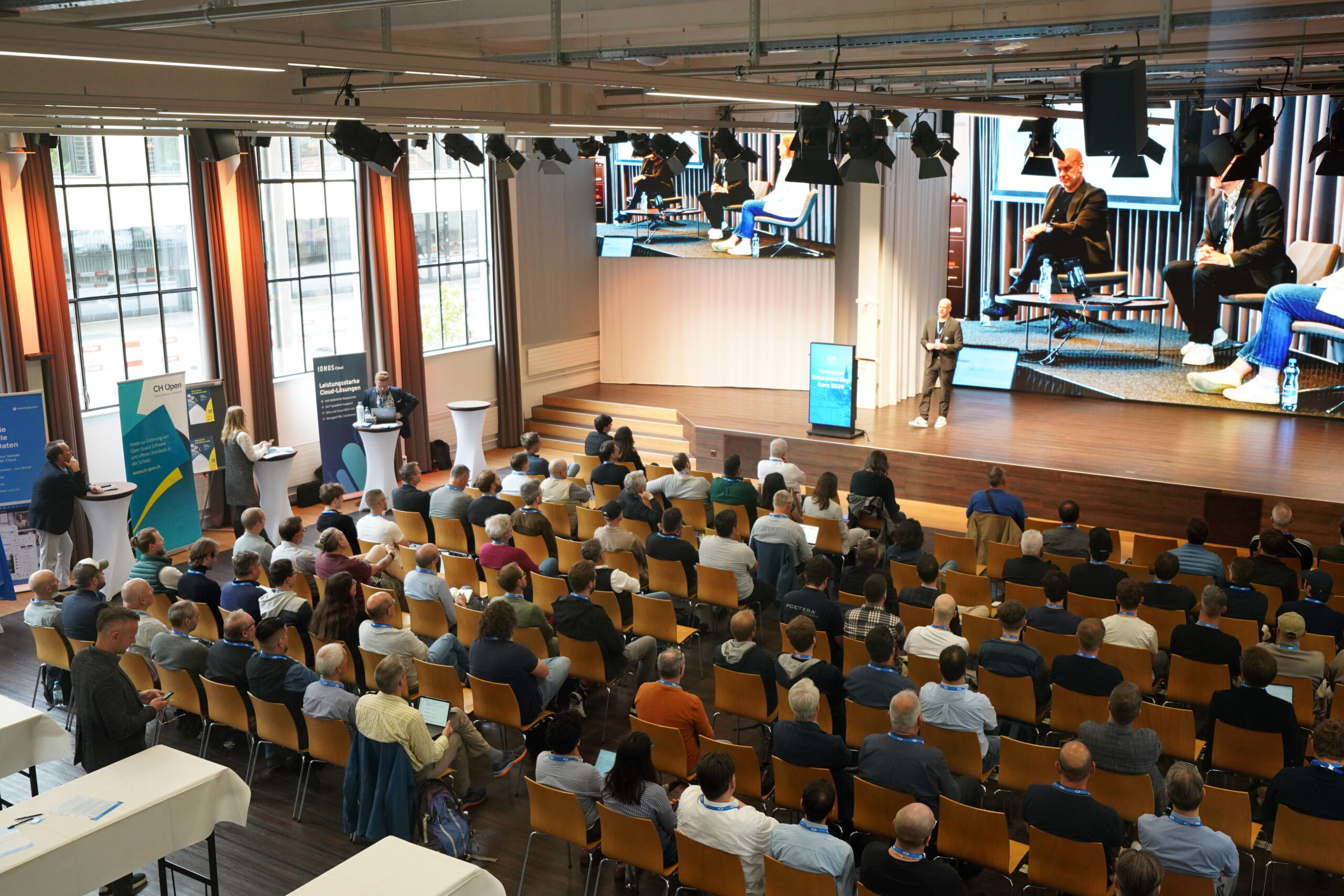
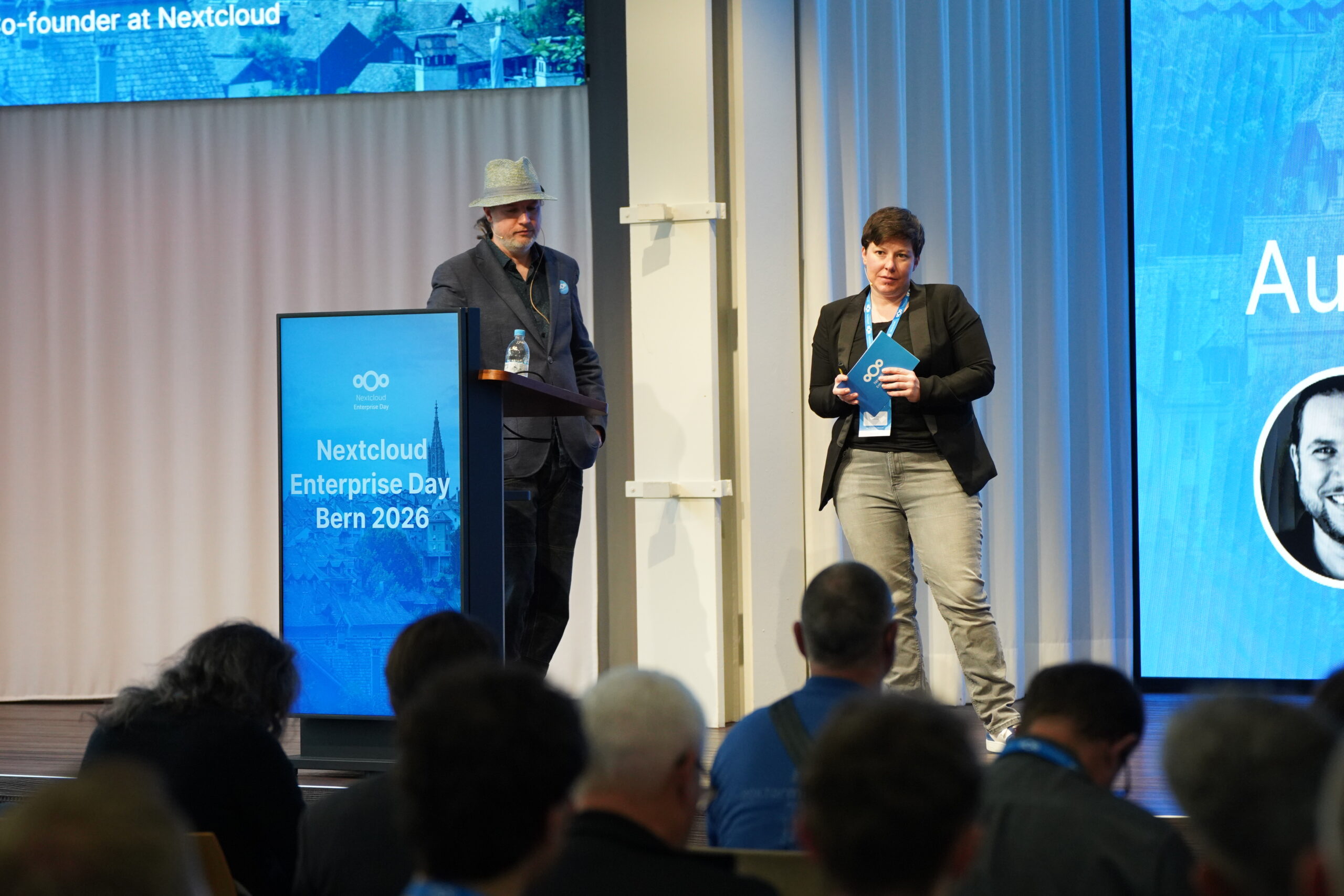
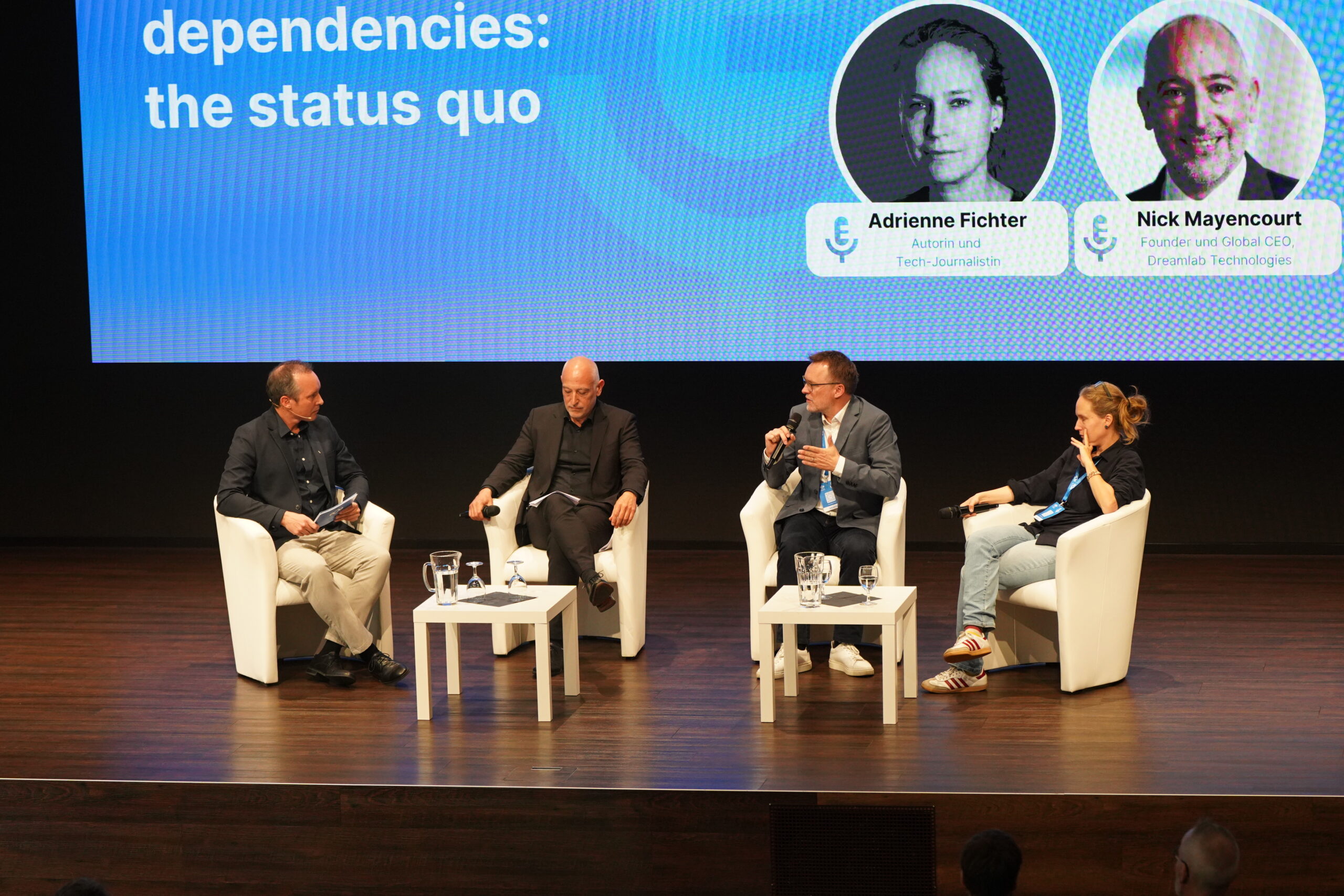
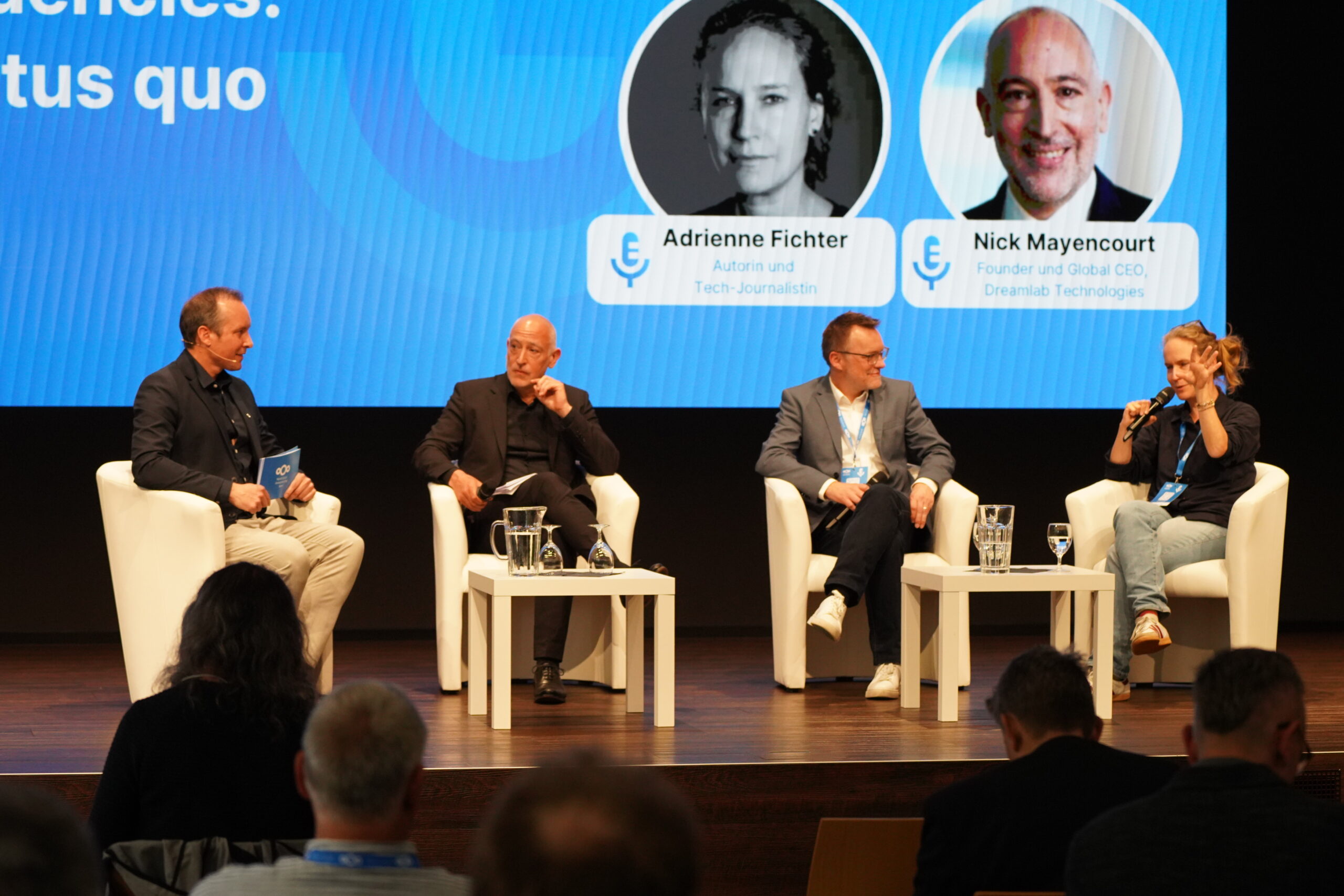
And that also reflected in the panel discussion with Adrienne Fichter (Republik Magazin), Nick Mayencourt (Swiss Cyber), Matthias Stürmer and moderator Rob Holub.
Big Tech under pressure
The ongoing discussions around tech soverignty are of course not unnoticed by the US firms and policymakers. In February, Reuters revealed that the US government had instructed diplomats to actively push back against data sovereignty initiatives abroad, explicitly targeting regulations viewed as obstacles to US cloud and AI providers.
Journalist Adrienne Fichter connected these geopolitical tensions to her own reporting experience around Palantir and the debate over whether the company should gain a larger foothold in Switzerland’s public sector and security landscape.
“Palantir is an example where Switzerland, for once, did not simply follow the usual path and instead questioned the long-term consequences of relying on US technology early on,” Fichter said. “That is something we largely failed to do throughout the broader digitization process.”
That strongly resonated with comments from Nick Mayencourts view on how we ended up in todays dependencies:
We’ve let ourselves be led by features and paid others for technical innovation over the years without questioning what that means. Today we do not only live in a digital colony but also pay for it.
To close the panel, moderator Rob Holub asked the speakers to rate Switzerland’s current level of digital sovereignty on a scale from one to ten. With ratings from two to five the assessment sounded sobering at the first glance. But beneath the critical assesments, there was also a npteable sense that something has started shifting. “Many things are now in motion” said Adrienne Fichter. What happens next, the panel sugegsted, will depend on what Europe and Switzerland will choose to do with that momentum.
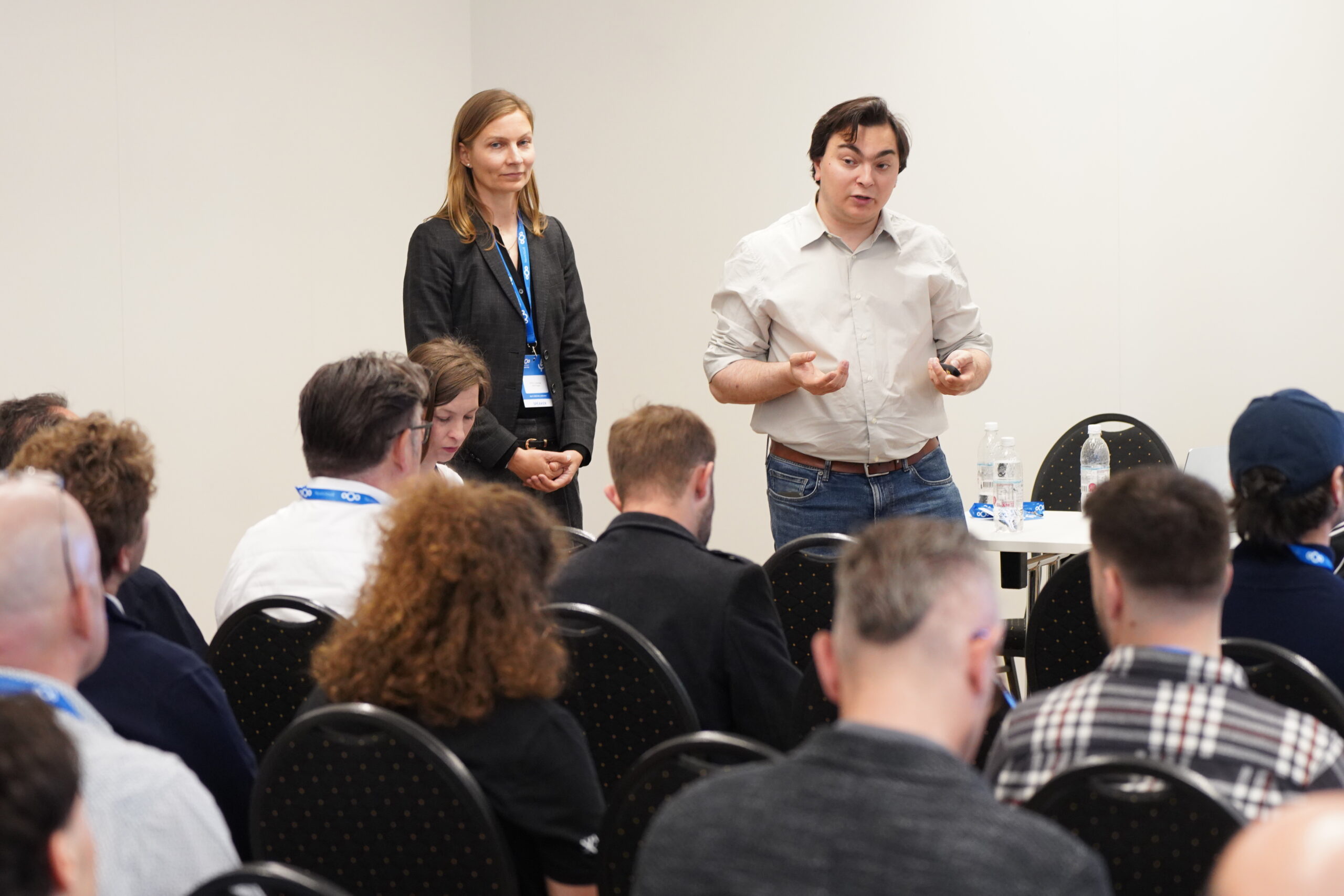
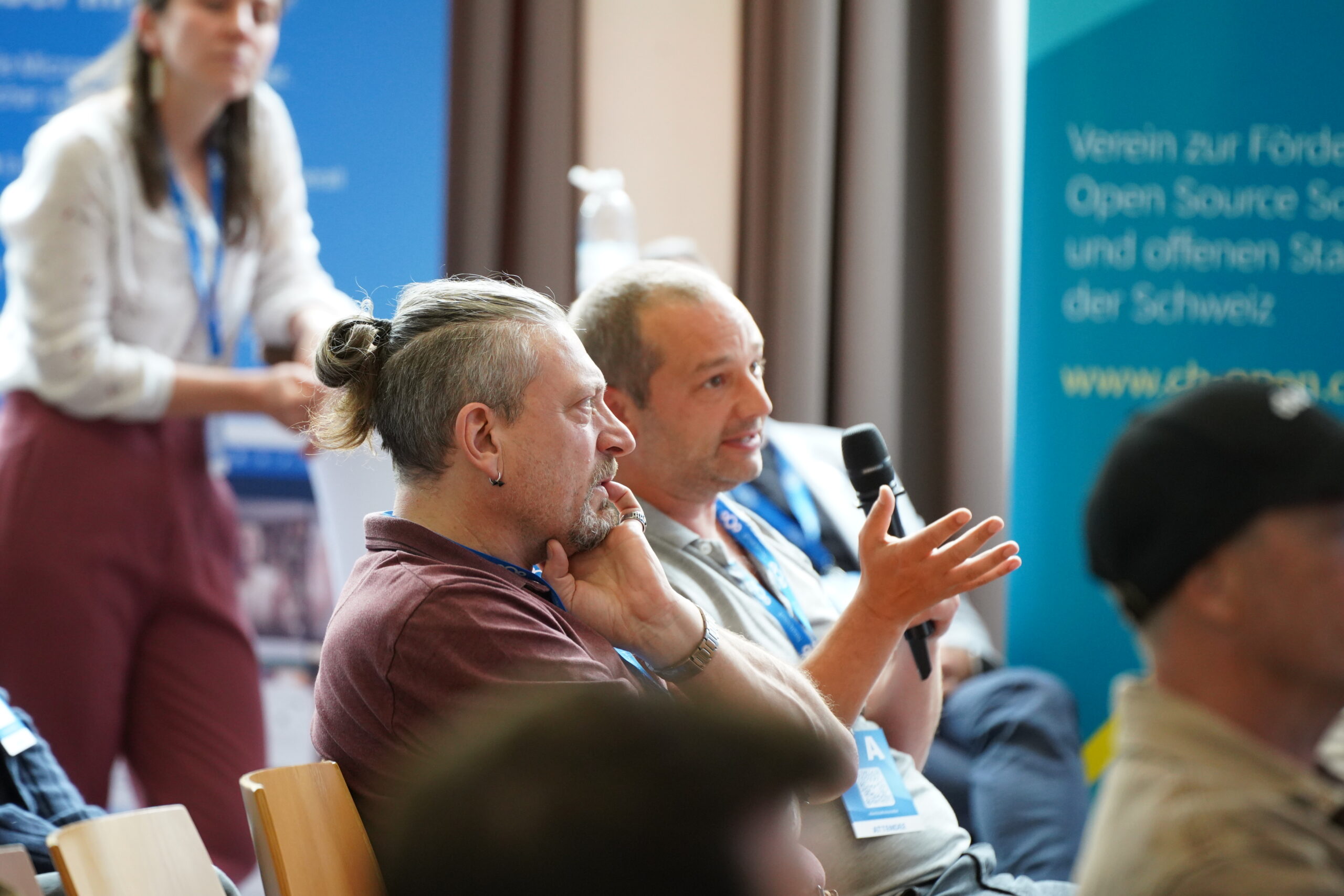
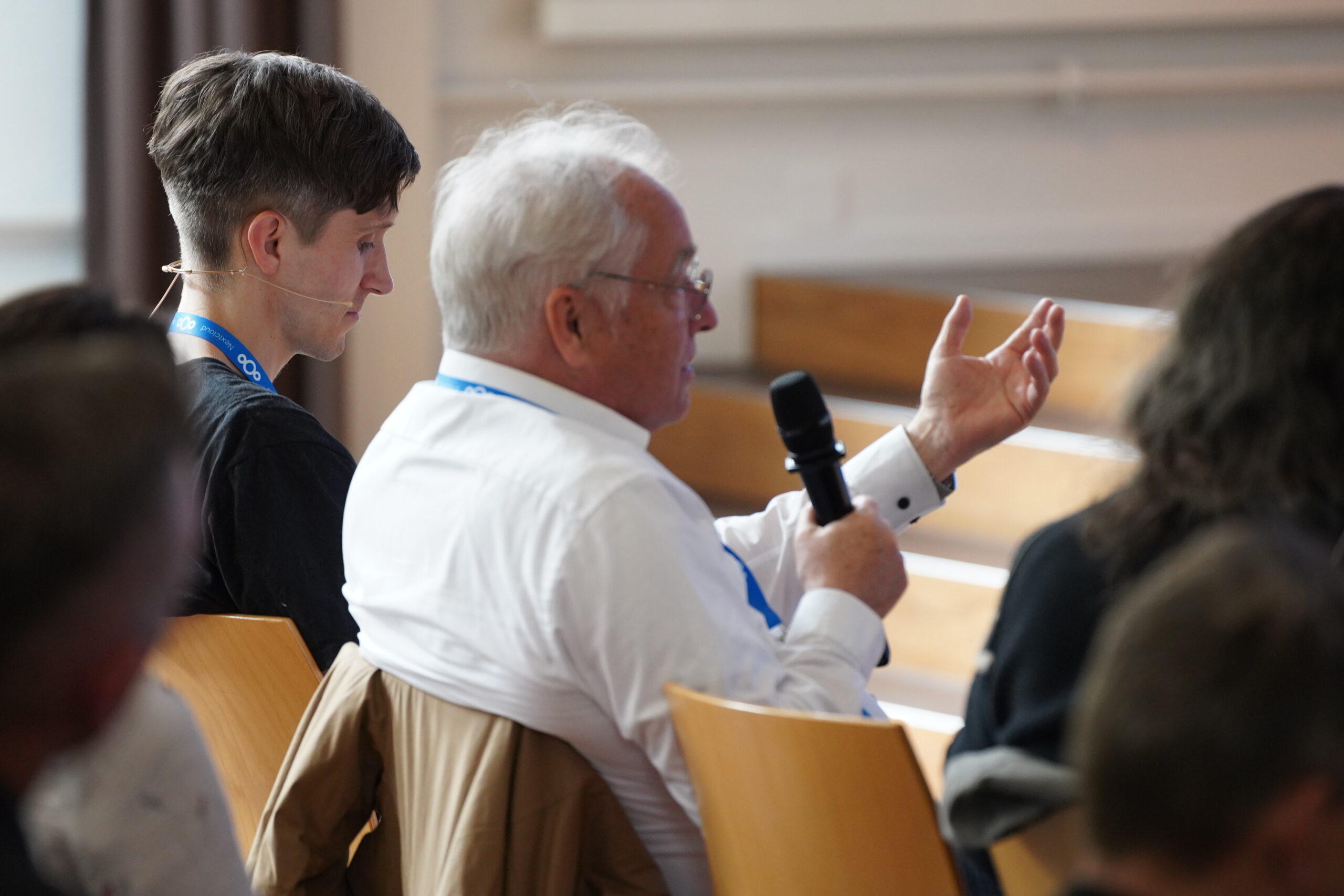
At the end, the closing had a round of Q&A with the management team that was present, after which some drinks and snacks gave the attendees time to mingle again.
If you are interested in further developments, join us our flagship event Nextcloud Summit on June 9 in Munich. See you there?
Join the conversation
Be part of the Nextcloud Summit, our biggest event up until now, and access a full day of learning, sharing, and collaborating on regaining freedom over your data, ensuring data remains in the hands of those who create it.
Nextcloud ist die erste Cloud-Plattform, die mit dem Umweltzeichen „Blauer Engel“ ausgezeichnet wurde und damit beweist, dass eine digital souveräne und grüne IT möglich ist.
Unternehmen, ob klein oder groß, brauchen eine Möglichkeit, die Ausfallsicherheit und digitale Souveränität ihrer Abläufe zu gewährleisten - eine Open-Source-Alternative zu Teams, die die Privatsphäre respektiert. Und heute stellen wir diese Lösung vor - Nextcloud Talk.
Bechtle und Nextcloud kündigen heute eine vollständig verwaltete Kollaborationsplattform für den öffentlichen Sektor an, die keiner Ausschreibung bedarf und sofort bereitgestellt werden kann.
Our mission is to help individuals, businesses and organizations achieve digital sovereignty and regain control over their data. Nextcloud Hub 5 marks a massive step forward towards achieving this mission, putting the power of AI into your hands – in a way that keeps you in control. New release, new possibilities Hub 5 builds on […]
Once again, Nextcloud takes home Platinum at the CloudComputing-Insider IT-Awards. For this award, we want to thank everyone who supported us this year and took a minute to put it into a vote! Read more details about the awards in this post.
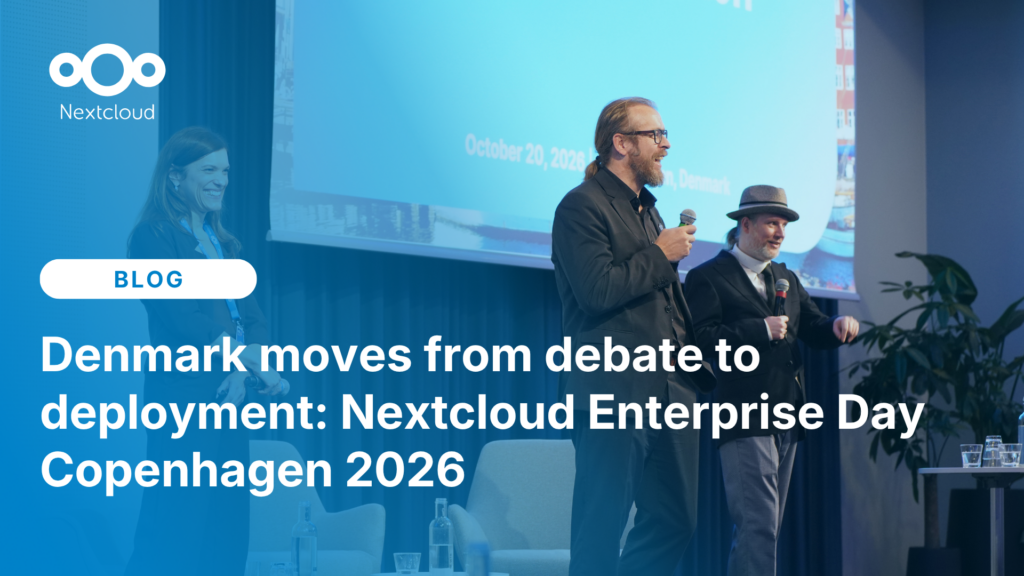
At the second Nextcloud Enterprise Day Copenhagen, municipalities, universities and other public organisations discussed how they can reduce their dependency on US Big Tech. Read our recap of the event.
New maintenance updates are available for Nextcloud Hub. Nextcloud Hub 25 Autumn reaches End of Life. Read more in this post or access the full changelog on our website. Keep your server up-to-date!
Wir speichern einige Cookies, um Besucher zu zählen und die Nutzung der Website zu erleichtern. Diese verlassen unseren Server nicht und dienen nicht der Verfolgung Ihrer online-Aktivitäten.
Weitere Informationen hierzu finden Sie in unserer Datenschutzrichtlinie. Anpassen
Statistik-Cookies sammeln anonym Informationen und helfen uns zu verstehen, wie unsere Besucher unsere Website nutzen. Wir verwenden cloud-gehostetes Matomo
Dienst:Matomo
Cookie-Beschreibung:
_pk_ses*: Zählt den ersten Besuch des Benutzers
_pk_id*: Hilft, die Besuche nicht doppelt zu zählen.
mtm_cookie_consent: Erinnert daran, dass der Nutzer seine Zustimmung zur Speicherung und Verwendung von Cookies gegeben hat.
Cookie-Ablauf:_pk_ses*: 30 Minuten
_pk_id*: 13 Monate
mtm_cookie_consent: 30 Tage